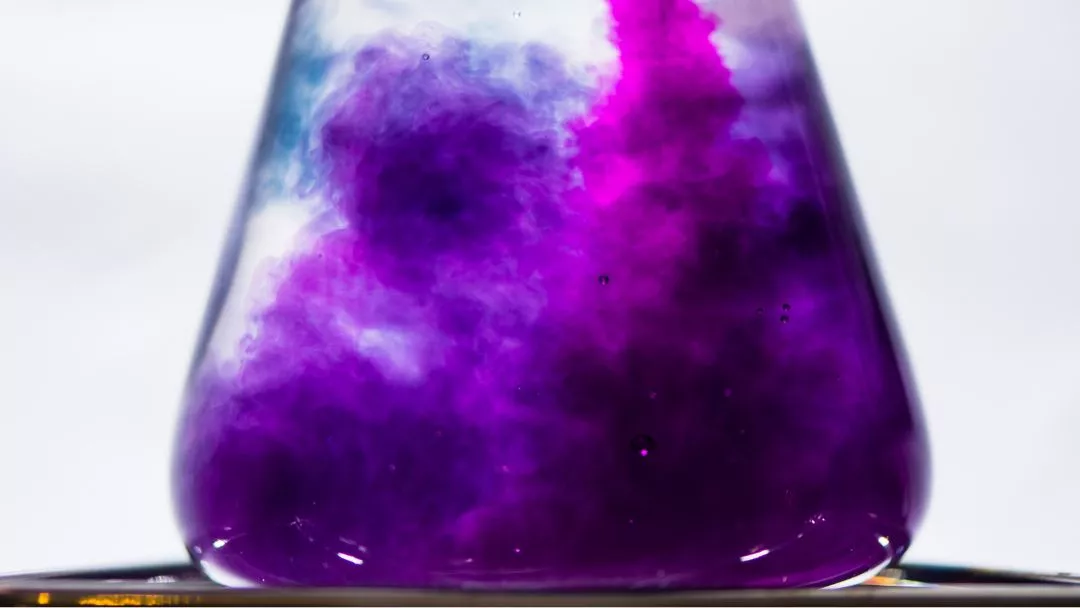
Potassium permanganate is a powerful oxidizing agent that can be used for various purposes, such as water treatment, medical treatments, and industrial applications.
It is important to note that potassium permanganate is a strong oxidizing agent and can be dangerous if not used properly. It should be handled with care, and appropriate protective equipment should be worn when handling it.
What is Potassium Permanganate?
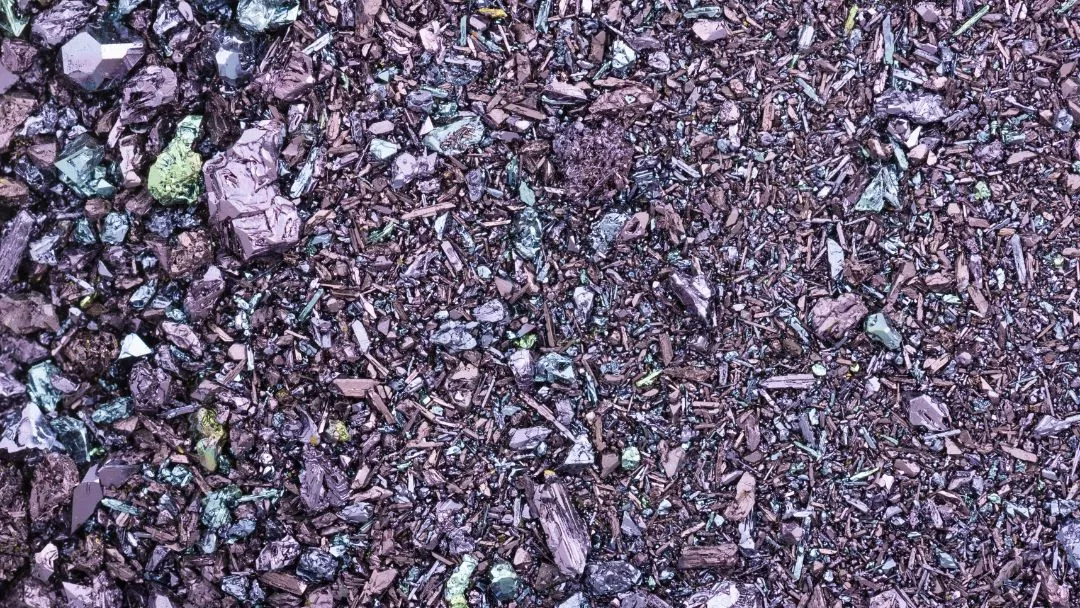
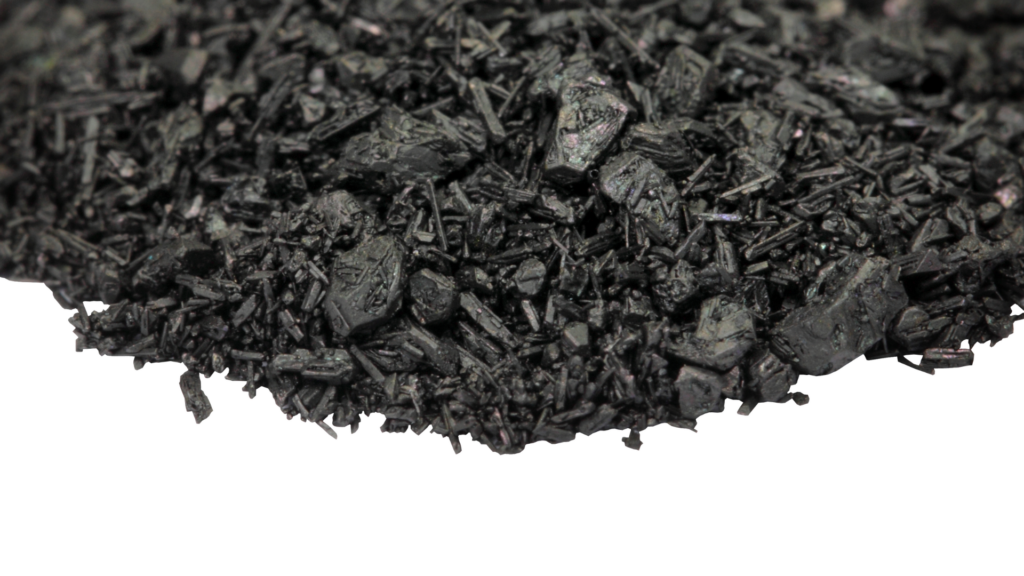
Potassium permanganate (KMnO4) is a deep purple, crystalline compound known for its strong oxidative properties. When dissolved in water, it reacts with a wide range of contaminants, breaking them down into less harmful substances. It is commonly used in drinking water treatment, wastewater processing, and surface water purification.
How to Use Potassium Permanganate
Here are some general guidelines on how to use potassium permanganate:
For Water Treatment:
Potassium permanganate can be used to remove impurities such as iron, manganese, and sulfur from water. The dosage will depend on the water quality and the desired level of treatment. It is typically added at a concentration of 1-3 grams per 1000 liters of water. It should be dissolved in water before adding to the water being treated. It is important to note that potassium permanganate can stain clothing and skin, so it should be handled with care.
For medical treatments:
Potassium permanganate can be used to treat various skin conditions such as dermatitis, fungal infections, and wounds. It is usually applied as a diluted solution (1:10,000 or 1:5,000) to the affected area. The solution should be prepared by dissolving the appropriate amount of potassium permanganate in water until the water turns light pink.
For industrial applications: Potassium permanganate is used in various industrial processes, such as the production of organic chemicals, textiles, and wood products. The dosage and method of use will depend on the specific application.
How Potassium Permanganate Works in Water Treatment
In water treatment applications, potassium permanganate acts as an oxidizer that reacts with:
- Iron and manganese – oxidizes soluble iron (Fe2+) and manganese (Mn2+) into solid particles that can be filtered out
- Hydrogen sulfide (H2S) – removes unpleasant sulfur odors
- Organic matter and algae – helps reduce biological growth and improve clarity
- Taste and odor compounds – neutralizes earthy or musty smells often caused by decaying organic material
These reactions improve the safety, clarity, and taste of treated water, making potassium permanganate a valuable solution in many water treatment systems.
Common Uses of Potassium Permanganate in Water Treatment
Potassium permanganate is used across several applications:
1. Drinking Water Treatment
Municipal water systems use it to control iron, manganese, and odor-causing contaminants before filtration. It is often applied ahead of sand or multimedia filters.
2. Wastewater Treatment
In industrial and municipal wastewater, it breaks down organic compounds and neutralizes hydrogen sulfide, improving discharge quality.
3. Surface Water Treatment
Ponds, lakes, and reservoirs benefit from potassium permanganate to reduce algae, improve water clarity, and prevent harmful blooms.
4. Aquaculture & Fish Hatcheries
It’s used as a water disinfectant to protect aquatic life by removing parasites, bacteria, and harmful organics.
Is Potassium Permanganate Safe?
When used properly and according to dosage guidelines, potassium permanganate is safe and effective. It must be handled with care and stored in a dry, cool area. Overdosing or improper application can cause temporary pink or purple discoloration in the water, which typically fades as the chemical neutralizes.
Potassium vs. Sodium Permanganate: What’s the Difference?
While both are oxidizing agents used in water treatment, potassium permanganate is typically granular, while sodium permanganate is a liquid solution. Potassium permanganate is preferred for applications requiring controlled, slower-release oxidation.
Why Choose Water Solutions Unlimited for Potassium Permanganate?
At Water Solutions Unlimited, we provide high-quality potassium permanganate tailored for municipal, industrial, and environmental treatment needs. Our experts can help you determine the ideal dosage and application method to achieve optimal results.
Learn More: What is Potassium Permanganate Used For?
Want to dive deeper into how potassium permanganate improves water treatment?
Check out our Potassium Permanganate product page to view specifications, applications, and request a quote.
Get Started with Potassium Permanganate Today
Whether you’re managing a drinking water plant, industrial facility, or surface water body, potassium permanganate can dramatically improve your water quality.
Contact us today to learn more about potassium permanganate and other water treatment chemicals from Water Solutions Unlimited.
FAQ
What is potassium permanganate used for?
Potassium permanganate is used primarily for disinfecting water and for the removal of iron and manganese. Its strong oxidizing properties make it effective in killing bacteria and converting soluble forms of iron and manganese into insoluble forms for easier filtration.
Where can I buy potassium permanganate?
You can purchase potassium permanganate from Water Solutions Unlimited, a leading supplier of high-quality chemicals for water treatment. They offer nationwide delivery and have manufacturing locations in Indiana, Illinois, and Michigan, making it convenient for you to receive your order wherever you are in the United States.
How do I place an order for potassium permanganate?
Looking to buy potassium permanganate? Just fill out this inquiry form, and we’ll have someone from our team reach out to you shortly to help you with your order. We’re here to make sure you get exactly what you need.