Summary
Ammonium sulfate is a highly soluble, cost-effective chemical used across drinking water, wastewater, and industrial water treatment. In most facilities, it supports pH adjustment, improves coagulation efficiency, and provides essential nitrogen for biological treatment. Because it offers safer handling than strong acids and works well alongside chemicals like alum and ferric chloride, it’s a reliable choice for operators who need predictable performance and stable water chemistry. This guide explains how ammonium sulfate works, key benefits, common applications, safety considerations, and how Water Solutions Unlimited helps facilities integrate it into their treatment programs.
What Is Ammonium Sulfate?
Ammonium sulfate is one of the most widely used and versatile chemicals in modern water treatment. From drinking water facilities and municipal wastewater plants to industrial systems, its reliability and predictable performance make it a core component of many treatment programs. Understanding how ammonium sulfate works—and where it provides the greatest value—helps operators optimize pH, enhance coagulation, and support biological treatment processes with confidence.
Guide About Ammonium Sulfate
This guide breaks down what ammonium sulfate is, how it functions in water treatment, key benefits, and why it is a trusted solution across a wide range of applications.
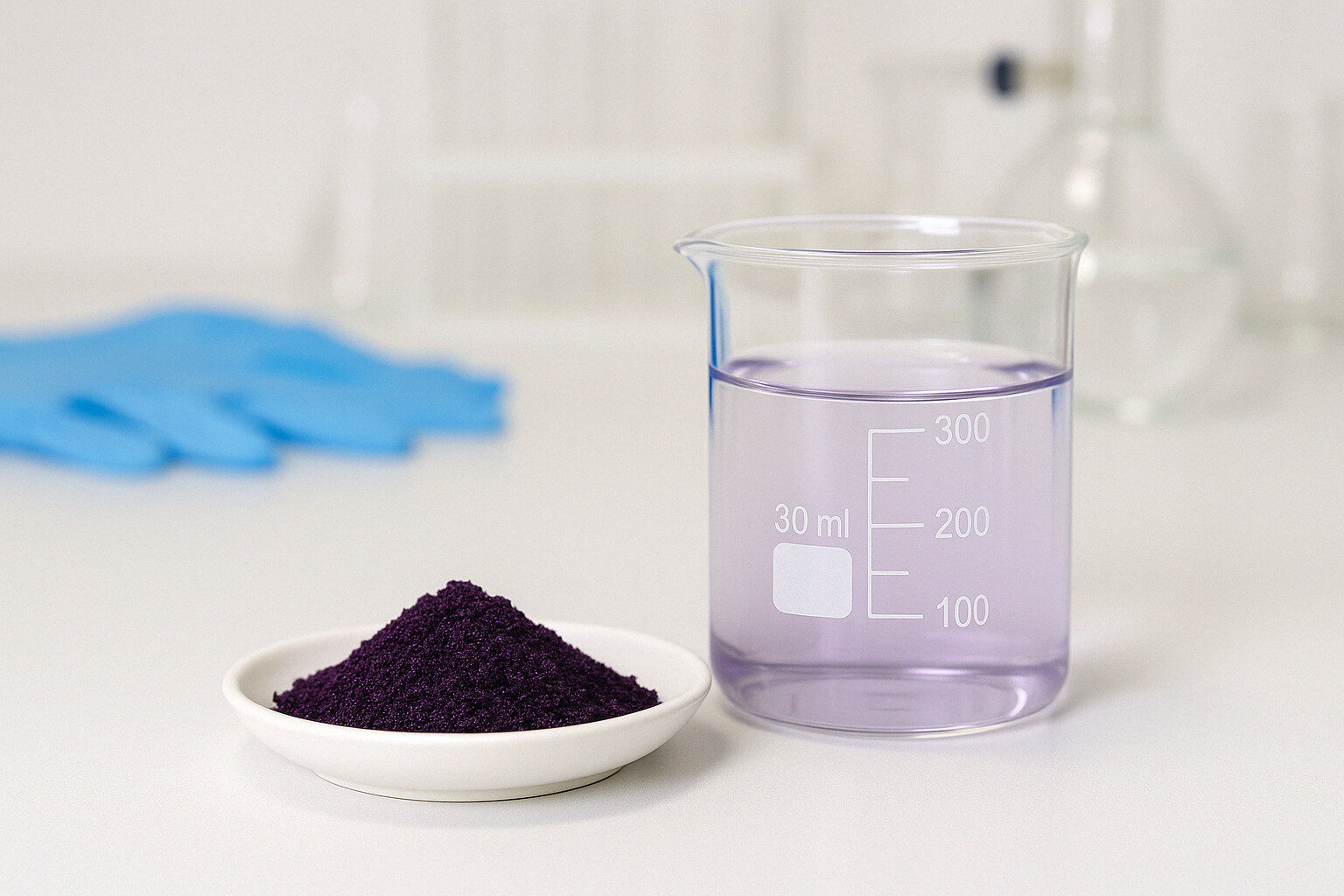
Ammonium sulfate (chemical formula (NH₄)₂SO₄) is a highly soluble inorganic salt composed of ammonium and sulfate ions. It is commonly supplied in crystalline or granular form and dissolves quickly in water, making it easy to dose and control.
Because of its stability, safety profile, and cost-effectiveness, ammonium sulfate is frequently selected over stronger acids or less predictable alternatives. In water treatment, its role centers around pH control, coagulation support, and nutrient management—three areas critical to maintaining efficient and compliant operations.
How Ammonium Sulfate Works in Water Treatment
While ammonium sulfate serves several functions, three primary mechanisms make it especially valuable in both municipal and industrial systems.
1. pH Adjustment and Alkalinity Control
Ammonium sulfate acts as a mild acidifying agent. When introduced into water, it lowers pH in a controlled, predictable manner without the aggressive reaction profile seen with strong mineral acids like sulfuric acid.
This makes it ideal for:
- Fine-tuning system pH
- Protecting equipment from corrosive spikes
- Stabilizing treatment environments sensitive to pH swings
Its gentle acidifying properties help operators maintain target ranges while reducing safety risks.
2. Enhanced Coagulation and Flocculation Support
Ammonium sulfate is often used alongside aluminum- or iron-based coagulants (such as alum or ferric chloride) to improve overall performance during solids removal.
It supports coagulation by:
- Optimizing pH for coagulant effectiveness
- Improving formation of floc
- Enhancing removal of suspended solids and organic matter
- Increasing downstream filtration efficiency
When properly dosed, ammonium sulfate helps create the ideal conditions for coagulants to work at peak performance.
3. Nutrient Management in Wastewater Treatment
In municipal and industrial wastewater applications, ammonium sulfate provides a consistent, controllable source of nitrogen—essential for supporting healthy biological activity.
This is especially valuable when influent wastewater contains:
- High carbon loads
- Low nitrogen content
- Unbalanced nutrient ratios that stress microbial populations
By stabilizing nitrogen availability, ammonium sulfate helps maintain treatment efficiency, improves BOD reduction, and supports reliable biological performance across changing conditions.
Key Benefits of Using Ammonium Sulfate
Ammonium sulfate brings several advantages to water treatment programs:
✔ Highly soluble and fast-acting
It dissolves easily, providing precise control and consistent results.
✔ Safer handling compared to mineral acids
Its lower risk profile makes it easier to integrate into daily operations.
✔ Cost-effective with stable, reliable supply
A dependable choice for facilities with high chemical demand.
✔ Compatible with most treatment chemicals
Works seamlessly with coagulants, oxidizers, and biological systems.
Common Applications in Water Treatment Facilities
Drinking Water Treatment
- Adjusting pH before coagulation
- Enhancing removal of solids and organics
- Supporting consistent water quality before filtration
Industrial Water Treatment
- Conditioning boiler feedwater
- Stabilizing cooling tower chemistry
- Managing pH and alkalinity in process water
Municipal Wastewater Treatment
- Balancing nutrients for biological treatment
- Supporting nitrification and denitrification processes
- Fine-tuning pH throughout the system
Across all segments, ammonium sulfate provides predictable performance, flexibility, and the operational control facilities need to maintain compliance and efficiency.
How Ammonium Sulfate Compares to Similar Chemicals
| Chemical | Primary Use | Pros | Considerations |
|---|---|---|---|
| Ammonium Sulfate | pH control, coagulation support, nutrient management | Safer handling, highly soluble, cost-effective | Adds sulfate to water |
| Alum | Coagulation | Effective and widely available | Requires lower pH for optimal performance |
| Ferric Chloride | Coagulation, phosphorus removal | Strong results in tough applications | Can increase corrosivity |
| Sulfuric Acid | pH control | Strong, fast pH reduction | Higher safety risks and handling requirements |
While each chemical has a place in water treatment, ammonium sulfate offers a balance of safety, performance, and versatility that many facilities prefer.
Handling, Storage, and Safety Considerations
For best results, ammonium sulfate should be:
- Stored in a dry, well-ventilated space
- Handled with proper PPE (gloves, eyewear, protective clothing)
- Measured and dosed according to facility guidelines
- Mixed carefully to avoid dust inhalation
Following SDS documentation and established safety standards ensures consistent, trouble-free operation.
How Water Solutions Unlimited Supports Your Treatment Program
Water Solutions Unlimited provides ammonium sulfate and other industrial water treatment chemicals to municipal and industrial facilities nationwide. Our team works directly with operators and engineers to ensure the correct product selection, proper dosage, and safe application for every system.
WSU offers:
- Reliable and consistent chemical supply
- Technical expertise and on-site support
- Customized chemical programs
- Access to SDS, product data sheets, and application guidance
If your facility uses ammonium sulfate—or is exploring options for pH control, coagulation support, or nutrient management—our team is here to help you achieve safer, more efficient treatment results.
FAQ: Ammonium Sulfate in Water Treatment
Is ammonium sulfate safe for water treatment?
Yes. When handled properly, ammonium sulfate is considered a safe and reliable chemical with a lower risk profile than many strong acids.
What concentration is typically used?
Dosage varies by application, but its high solubility makes it easy to tailor concentration for drinking water, wastewater, or industrial systems.
Can ammonium sulfate be used with alum or ferric chloride?
Absolutely. It is often paired with coagulants to improve solids removal and overall efficiency.
How does ammonium sulfate affect pH?
It gently lowers pH, offering controlled acidification without the hazards associated with stronger acids.
Why choose ammonium sulfate over sulfuric acid?
It provides more controlled pH adjustment and significantly safer handling conditions.